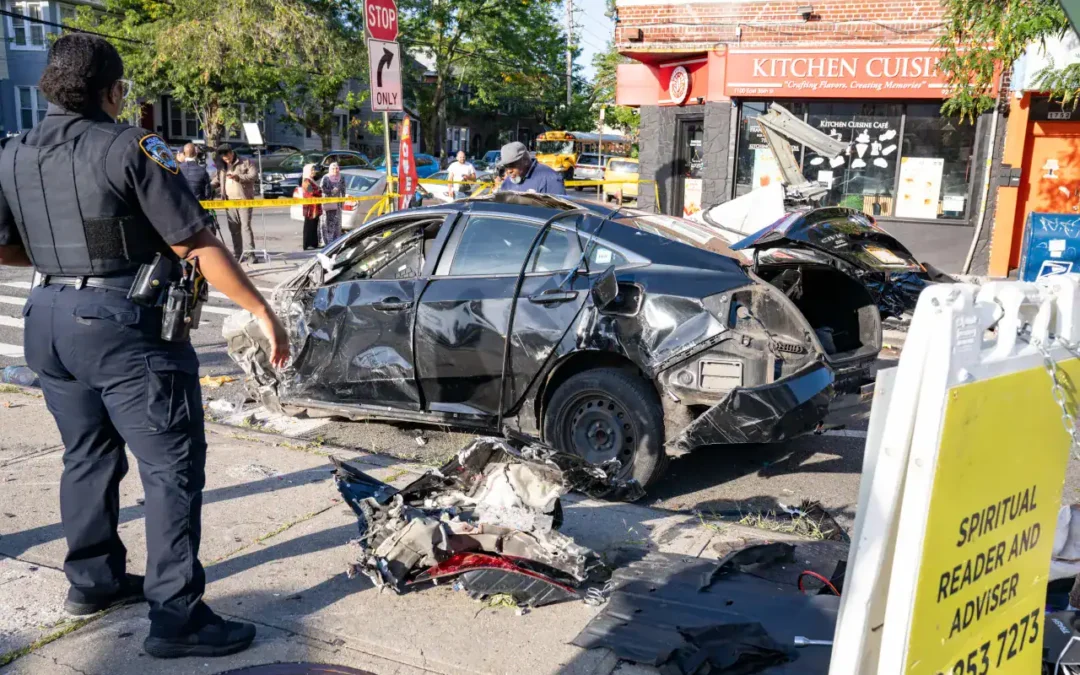
Did a gap in treatment ruin my car accident case?
What actually matters for your case
✓ Does NOT hurt your case
- No-fault benefits ran out
- Missed appointments due to work
- Felt better briefly, then relapsed
- A gap of a few weeks early on
- Pre-existing condition that worsened
✗ Can seriously hurt your case
- Months of silence with zero records
- A second accident not disclosed
- Social media posts contradicting injuries
- Waiting so long treatment can't be linked to the crash
What to do right now
Go back to your doctor today. Tell them exactly when the accident happened, why you stopped treatment, and what symptoms you have now. Every detail needs to be in your chart.
Gather proof of why you stopped. Insurance denial letters, pay stubs from when you returned to work, anything that shows the gap had a real-life reason behind it.
Do not give a recorded statement. If the other driver's insurance calls, decline. They are building a case against you, not helping you.
Call a Brooklyn personal injury lawyer. Get a free assessment before you assume the worst. You pay nothing unless you win — there's no risk in making the call.
Deadline reminder: You have 3 years from the accident date to file a personal injury lawsuit in New York — but if an MTA bus or city vehicle was involved, you have only 90 days to file a Notice of Claim. Don't let a deadline end your case.
Here’s the Situation a Lot of People Find Themselves In
You got hit. Maybe it was on Flatbush Avenue near Kings Plaza. Maybe someone ran a red on Nostrand. Maybe you were sitting at a light on Church Avenue and got rear-ended by someone who was distracted while driving.
You went to the hospital. You followed up with a doctor for a few weeks. Then life got in
the way and you stopped going to treament.
Your no-fault benefits stopped covering the visits. You couldn’t keep missing shifts at
work. The kids needed to get picked up. You started feeling a little better and figured you’d push through. Then the pain came back — worse than before — and now you’re wondering if you just ruined your shot at a settlement.
This is one of the most common calls personal injury attorneys in Brooklyn get. And the answer is almost never what people fear.
What the Insurance Company Wants You to Believe
The adjuster handling your claim has one job: pay you as little as possible.
When they see a gap in your medical treatment — even a few weeks — they’ll use it to tell a story. Their version goes like this: you stopped treatment because you got better. You got better because the accident wasn’t that serious. And if the accident wasn’t that serious, they don’t owe you much.
That’s their story but It doesn’t have to be your story.
Gaps in treatment happen for real reasons that have nothing to do with how badly someone is hurt. In Flatbush, East Flatbush, and Ditmas Park, a lot of people are working multiple jobs, dealing with insurance bureaucracy they don’t fully understand, or simply trying to keep their household running while they’re suffering from pain. An insurance adjuster sitting in an office in New Jersey should not get to decide that your injuries are fake.
The Law That Actually Matters Here
New York is a no-fault state. After a car accident, your own insurance is supposed to cover your medical bills and some of your lost wages — up to a point — regardless of who caused the crash. That’s the no-fault system.
But no-fault has limits. And to go after the driver who hit you for the full extent of your
damages — pain and suffering, lost income beyond what no-fault covers, long-term
medical needs — your injuries have to clear what New York law calls the serious injury
threshold under Insurance Law § 5102(d).
Serious injuries under the law include things like:
- A significant limitation in how a body part or system works.
- A permanent or consequential limitation of a body organ or member
- A medically documented injury that stopped you from doing your normal daily activities for 90 out of the first 180 days after the accident
Here’s where a treatment gap creates a real problem: if your medical records go quiet for two months, the insurance company will argue that during those two months you were fine — and that whatever you’re treating now isn’t connected to the crash. Your records need to tell a complete story. When there’s a chapter missing, they write it for you.
So Can You Pick Back Up and Still Win?
Yes. But how you restart treatment matters.
When you return to your doctor after a gap in treatment, the visit needs to accomplish a few things. Your doctor should note why treatment stopped — whether that was insurance issues, work obligations, or a temporary improvement that reversed. They should connect your current symptoms directly to the original accident. And they should document how your injuries are still affecting your day-to-day life.
This isn’t about coaching your doctor to say the right things. It’s about making sure the
full truth of what happened to you is actually written down — because what isn’t in the record doesn’t exist in a legal case.
This isn’t about coaching your doctor to say the right things. It’s about making sure the
full truth of what happened to you is actually written down — because what isn’t in the record doesn’t exist in a legal case.
A Brooklyn jury will understand that people miss appointments. They live here too. What they want to see is that your injuries are real and that the crash caused them. A documented gap with an honest explanation is very different from a case with no medical support at all.
What Actually Damages a Case vs. What Doesn’t
People worry about the wrong things. Here’s a clearer picture.
Things that really hurt a case:
- A gap of many months with zero medical documentation and no explanation.
- Getting into another accident during the gap and not disclosing it.
- Posting videos of yourself playing basketball on instagram while claiming you can’t walk.
- Waiting so long to restart treatment that your doctor can’t credibly connect it to the crash.
Things that don’t hurt a case:
- Stopping treatment because no-fault benefits ran out.
- Missing appointments because of work — especially if you have a record of attendance issues from the injury period.
- Feeling better temporarily and then relapsing — soft tissue injuries, herniated discs, and nerve damage do this all the time.
- A gap of a few weeks, particularly in the early months after the crash.
Flatbush Roads Are Genuinely Dangerous
Flatbush Avenue is one of the most accident-prone corridors in all of Brooklyn. Church Avenue, Nostrand Avenue, Kings Highway, Utica Avenue, Avenue J — these intersections see crashes constantly. The combination of heavy foot traffic, buses, delivery trucks, and drivers cutting through from the Belt Parkway creates conditions that hurt people every single day.
If you were hit in Flatbush, East Flatbush, Ditmas Park, Midwood, or Kensington, New York law gives you three years from the date of the accident to file a personal injury lawsuit. But there are exceptions that cut that time shorter:
- If an MTA bus or city vehicle was involved, you have just 90 days to file a Notice of Claim.
- Government vehicles follow different, shorter timelines.
What to Do If This Is Your Situation
If you stopped treatment after a car accident in Flatbush or anywhere else in Brooklyn, and the pain has come back, here’s what to do:
Go back to the doctor now. Don’t wait until you feel worse. Tell your doctor exactly when the accident happened, when your symptoms started, why you stopped coming in, and what’s happening now. Be specific and honest — the details matter.
Hold onto anything that explains the gap. A letter from your insurance company
saying benefits were exhausted. A pay stub from the weeks you went back to work.
Anything that shows why the gap happened.
Don’t talk to the other driver’s insurance company. If they call asking for a recorded statement, decline. They are not calling to help you.
Talk to a personal injury lawyer before you assume the worst. Most Brooklyn accident attorneys offer free consultations and don’t collect a fee unless your case settles or goes to verdict. You have nothing to lose by getting an honest assessment of where you stand.
Truth about your injury case
An insurance company’s job is to make you feel like the case is over before you’ve even
started. A gap in treatment is one of the easiest ways for them to do that — because it makes people give up without fighting.
But a gap doesn’t erase the fact that someone hit you. It doesn’t erase your medical records from before the gap. It doesn’t erase the pain you’ve been living with. It just means your case needs to be built carefully, with the right documentation and the right legal strategy.
If you were hurt in a car accident in Flatbush, East Flatbush, or anywhere in Brooklyn, talk to someone who knows how these cases actually work before you walk away from what you may be owed.
Contract A Car Accident Lawyer Flatbush Today!
If you or a loved one has been injured on the job, in a car accident on Flatbush or a slip and fall accident in the Subway, don’t hesitate to seek legal assistance. Contact this New York Personal Injury Lawyer at (800) 946-4616. Serving all of New York, he is ready to help you win your case.
Apart from car accidents, Koenig Pierre will also handle personal injury cases that involve slip and fall injuries, medical malpractice, truck accidents, elder abuse, dog bites, construction accidents, bicycle accidents, wrongful death and other work-related injuries.
Koenig Pierre is committed to serving every client with personalized attention, compassionate customer service, and professionalism. Before you get carried away, call him today!
About the author
Koenig Pierre, Esq.
Car Accident & Personal Injury Attorney · Brooklyn, NY
Koenig Pierre is a Brooklyn-based personal injury attorney who represents car accident victims throughout Flatbush, East Flatbush, Ditmas Park, and surrounding neighborhoods. He regularly handles cases involving gaps in medical treatment and fights insurance companies who exploit no-fault system limitations to undervalue legitimate injury claims. He earned his J.D. from Hofstra University School of Law and is admitted to practice in New York State (Bar No. 4972402).
Blog
Suing a Commercial Truck Company for an Accident in New York
Hit by a commercial truck in Brooklyn? In New York, you can usually sue the trucking company, not just the driver. Learn who can be held responsible, how much insurance trucks carry, what changed in the 2026 law, and the 30-day, 90-day and 3-year deadlines you can’t miss. Free consultation. Nou pale Kreyòl. Se habla español.

What Happens If an Undocumented Worker Gets Hurt on a Construction Site in NY?
Hurt on a New York construction site without papers? Your immigration status doesn’t take away your rights. Learn how workers’ comp pays your medical bills, when you can sue the property owner and contractor, whether you can recover lost wages, and why it’s illegal for your boss to threaten you with immigration. Free consultation. Nou pale Kreyòl. Se habla español.

Can I Sue for a Concussion After a Rear-End Collision in NY?
Rear-ended and now dealing with headaches, dizziness or memory problems? In New York, you can often sue for a concussion. Learn why the driver behind you is usually at fault, why a normal CT scan doesn’t end your case, what concussion cases are worth, and the deadlines you can’t miss. Free consultation. Nou pale Kreyòl.